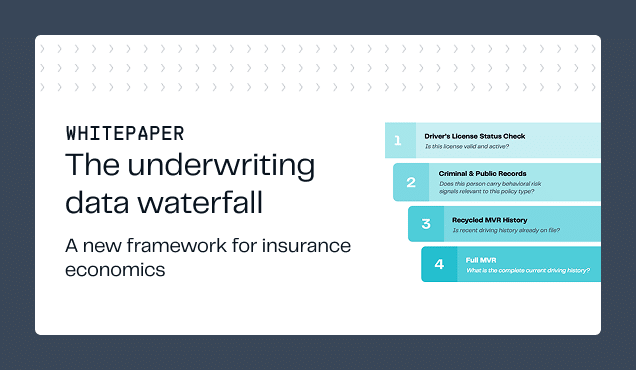
Car rental operations are moving faster, and the financial risks are rising with them. Fraud attempts are increasing, fake IDs are harder to spot, and repair costs continue to climb, raising the stakes of every rental. At the same time, operators still need to keep pickup flows smooth, whether the handoff happens at the counter, through a kiosk, or via an after-hours process.
Operators already use a range of tools—license checks, ID verification, and telematics—but tools alone don’t create the consistency that a Know Your Driver (KYD) program is designed to deliver. Without a clear KYD policy, locations handle risk differently, staff rely on judgment, and outcomes are harder to explain when something goes wrong.
A Know Your Driver program brings structure to this process. It helps teams answer a simple question: Do we trust this renter with this vehicle right now? A good program makes decisions repeatable, defensible, and easy for staff to follow. With clear rules, renters move through the system quickly, staff make fewer judgment calls, and the fleet stays protected across locations.
This guide outlines the core elements of an effective Know Your Driver program: how to define screening rules, when to re-check information, how to apply decisions consistently, and what operators can do to keep KYD running smoothly as risks evolve.
What makes KYD different from traditional checks
Traditional screening methods were built for a slower world. License status is often checked once, long before the rental begins. Identity verification depends on a visual ID check at the counter. Criminal or safety-related information comes through batch processes that aren’t designed for point-of-rental decisions.
KYD shifts the focus to what matters right now. It uses real-time license validity, identity checks, and contextual triggers to surface risk at the moment of rental. If a license becomes suspended, if information doesn’t match, or if the booking involves higher risk (e.g., after-hours pickup or a high-value vehicle), KYD flags that during the booking or pickup process so teams can act quickly.
This matters because rental decisions happen in minutes. Operators need a consistent framework that spells out what to check, what level of screening to apply, and when a human should review a case.
Key decision questions for building a KYD workflow
Before defining rules or selecting tools, most operators start by answering a small set of practical questions:
- What level of screening protects the fleet without slowing down good renters? This keeps the balance between security and speed—especially important at busy locations or during peak periods.
- What events should trigger a re-check? Common triggers include new bookings, after-hours pickups, changes to renter details, or switching to a higher-value vehicle.
- When should automation decide, and when should staff step in? Straightforward results can be auto-approved, while unclear or conflicting signals should route to manual review.
The answers to these questions shape how KYD operates in practice and set the foundation for consistent, defensible decisions across locations.
The 4 core principles of an effective Know Your Driver program
A KYD policy turns broad risk goals into clear rules that guide everyday decisions. Most operators build their Know Your Driver program around four core principle: scope, frequency, decision logic, and fairness and transparency:
The four core principles of a KYD policy
|
Design principle |
Definition |
Example in practice |
|
Scope |
Which renter types require which checks |
Full screening (ID + license + criminal checks) for first-time renters; license-only checks for returning or corporate accounts |
|
Frequency |
How often to run checks |
Automatic rescreens when triggers occur (new booking, address change, high-value rental) |
|
Decision logic |
Clear, documented outcomes for each check |
Auto-approve valid licenses; route suspended or restricted licenses to manual review |
|
Fairness and transparency |
Make sure renters understand what’s being checked and why |
Include clear consent in the flow; provide a simple appeal/dispute option |
1. Scope: who you screen and which checks to run
Scope defines which renters receive which level of screening. Typical screening patterns include:
- First-time renters: ID + license, plus criminal checks where allowed
- Returning renters: quick license refresh on a set schedule
- Corporate or subscription renters: lighter periodic checks based on contract type
- High-value or high-risk rentals: rescreen before the booking is finalized
Strong scope rules remove guesswork for staff and protect the fleet from uneven risk decisions.
2. Frequency: how often to re-check information
Even in a strong Know Your Driver program, accurate information can change. Frequency rules define when the system should re-run checks and what events trigger a new screen.
In most rental environments, rescreening is driven by event-based triggers, such as:
- A new or modified booking
- Changes to renter details
- After-hours or unattended pickup
Clear frequency rules prevent policy drift and ensure locations re-check information consistently when risk conditions change.
3. Decision logic: clear approve, review, and decline paths
Decision logic defines the “if X, then Y” rules for what happens after screening. It lays out the next step for every screening outcome so staff know exactly how to proceed.
Common outcomes include:
- Approve: valid license, matched identity, no flags
- Review: restricted license class, mismatched information, or unclear results
- Decline: suspended license, unverifiable identity, or a disqualifying signal
Examples of review cases:
- “Valid but restricted” (eligible for some vehicles but not others)
- “Suspended class” (class mismatch even if the ID is real)
- “Pending case” (requires a quick staff review)
Decision logic also spells out when automation should decide and when a human needs to review, reducing judgment calls and keeping rentals moving.
4. Fairness and transparency: clear communication builds trust
A KYD policy works best when renters understand what’s being checked and why. Clear communication lowers friction at the counter and ensures staff can explain decisions with confidence.
Fairness and transparency typically include:
- plain-language consent so renters know checks are taking place
- simple, consistent explanations when a flag occurs
- a clear path for renters to dispute or correct information
These practices show that decisions follow a documented process, which reinforces trust with renters and insurers.
Putting the policy into practice: screening models that work
KYD doesn’t need to be complex to be effective. Most operators follow two simple guiding ideas: screen deeper when the financial risk is higher, and screen more often when the renter relationship is newer.
These principles keep screening calibrated to real financial risk, so teams know exactly when a deeper check is warranted.
Common screening models
First-time renters: New renters carry the most uncertainty, so they typically receive the deepest checks: ID verification, license validity, and (where allowed) criminal checks. This establishes a baseline of trust before a vehicle leaves the lot.
Returning renters: For renters with a track record, most operators run a quick license-refresh on a set schedule. This keeps data current without adding unnecessary friction.
Corporate or subscription renters: These renters come through established accounts, so the checks are lighter and more periodic. Operators still rescreen occasionally to confirm license validity and identity signals remain clean.
High-value or high-risk rentals: When a vehicle carries higher financial exposure, operators often rescreen before the booking is finalized—even if the renter is well-known. This protects the fleet and aligns screening depth with the cost of potential loss.
Operational best practices for running KYD at scale
A KYD policy only works if the systems and workflows behind it support consistent, day-to-day use. These operational elements help teams apply the policy the same way across all locations, shifts, and renter scenarios:
Role-based access. Only people in relevant roles should see sensitive data. Clear access controls reduce the risk of information being viewed by staff who don’t need it for their role.
Reason codes. Standard reason codes—such as “expired license,” “pending case,” or “restricted class”—give staff clear next steps and help renters understand what happened. They also prevent decisions from varying by employee or location.
Escalation paths. Straightforward cases should move through automatic approval, while unclear or conflicting results route to manual review. A defined escalation path ensures that exceptions go to trained reviewers instead of slowing down the counter.
Tunable thresholds. Operators often adjust screening thresholds based on vehicle class, location, or insurer guidance. Tunable settings let every store follow the same policy while adapting to local conditions.
Performance tracking. Metrics like approval times, override rates, and workflow bottlenecks help operators spot where the process is slowing down or where decisions drift from the policy. Routine reviews help keep KYD efficient, consistent, and audit-ready.
Integrating KYD across your rental tech stack
KYD works best when it’s built into the tools your teams already use. Most operators connect KYD to their booking platform, telematics systems, and identity or license-verification providers. This keeps the workflow simple: staff don’t need to switch systems, and renters move through the process without extra steps.
Integrated KYD also reduces variation in how teams interpret the policy. Whether the pickup happens downtown, at the airport, or after hours, the same checks run automatically and exceptions route the same way.
Checkr Trust supports this model by providing standardized data and decision logic across partners. Operators get the same license-validity checks, risk signals, and decision pathways no matter where the rental originates. This translates into fewer losses, more consistent outcomes, and better utilization of vehicles that would otherwise end up in recovery or dispute.
Build the Know Your Driver program that scales with your fleet
Most operators begin with a simple foundation for their Know Your Driver program: clear scope rules, defined decision logic, and a handful of well-structured triggers. From there, thresholds and workflows can evolve as risks shift and the business scales. Teams that formalize KYD see fewer losses, faster pickups, and more predictable outcomes across every location.
If you’re refining your Know Your Driver program or building one from scratch, Checkr Trust has a resource about the Know Your Driver stack that offers a wider context around risk trends and financial outcomes. You can also reach out to the team (we’d love to hear from you).